When people think about marine carbon dioxide removal, they often focus on the technology. But just as important are the questions about how decisions get made, whose perspectives are included, and how communities can help shape the future of the field.
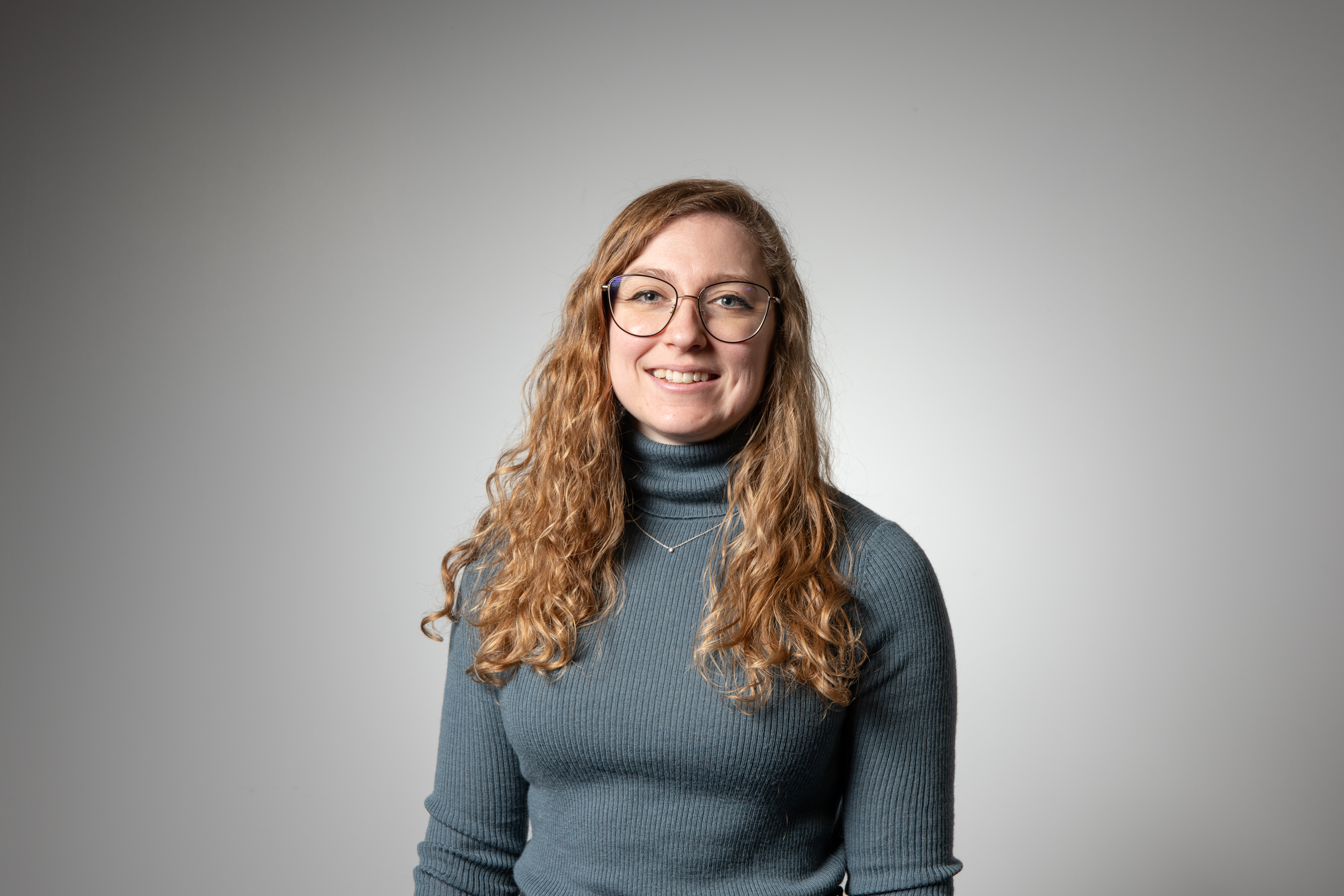
Those questions are at the heart of Dr. Amanda Borth’s work. As a social scientist with experience working on public engagement around emerging technologies, she’s focused on how engagement can move beyond outreach and become a meaningful part of decision-making. Through her work, Amanda has helped design processes that bring community members, researchers, and other stakeholders together to identify the questions that matter most to those affected. These conversations can then evolve as participants share new perspectives and insights.
We spoke with Amanda about her journey into science communication, the challenges of doing engagement well, and how COMPASS’s mCDR Leaders in Communication cohort has helped her explore new ideas and approaches.
Q: Tell us a bit about your journey in science communication and public engagement. What drew you to this field?
Amanda: It started in undergrad, when I stumbled into a federal work-study position at the Air and Space Museum in D.C. I worked in the Explainers Program, which supports high school and college students in learning about science communication by engaging visitors through interactive science demonstrations.
I didn’t even know science communication was a career option at the time, but I found joy in engaging with diverse audiences, building shared understanding, and sparking new learning.
That experience, combined with a growing interest in research, eventually led me to pursue a PhD in science communication focused on public engagement in carbon dioxide removal. What really drove me was the sense that our current models for making policies and decisions just aren’t well suited for complex problems like climate change. And in addition to that, the solutions generated aren’t always responsive to the people most impacted.
I wanted to explore how new models for decision-making could bring public voices into conversations about complex issues that affect people’s daily lives.
Q: Could you share an example of the type of engagement work you’ve done? What was the process like?
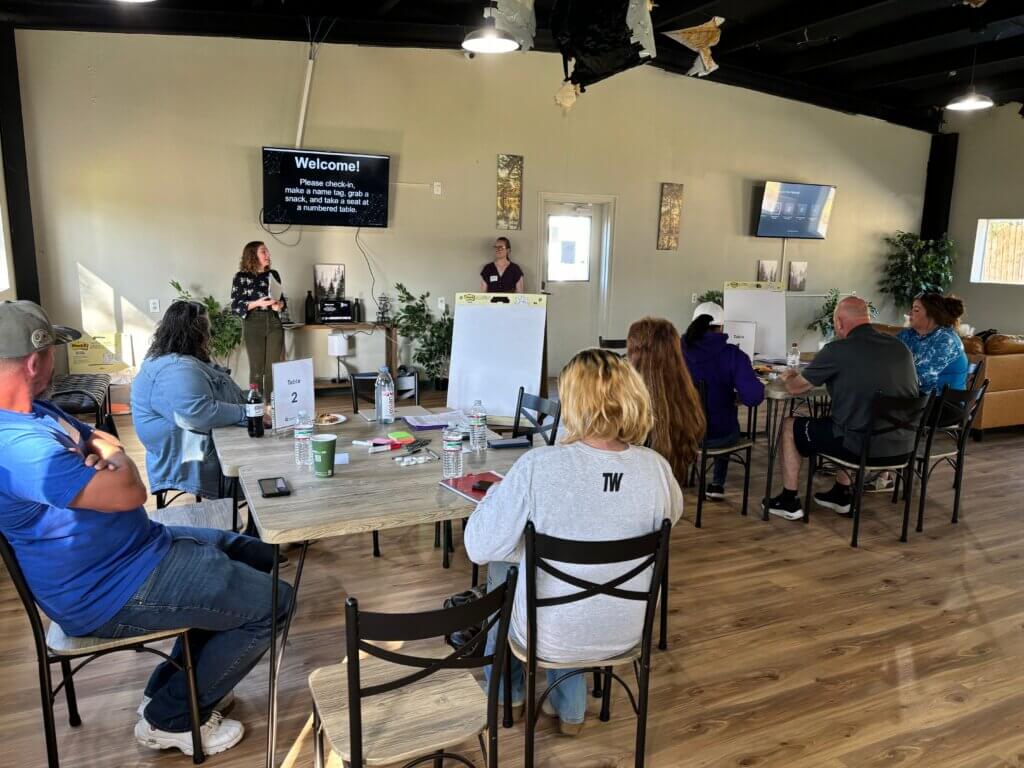
Amanda: At the Consortium for Science, Policy, and Outcomes, we used a methodology called participatory technology assessment (pTA). pTA is a three-phased process that creates iterative feedback between publics and expert stakeholders on emerging technologies. It can be used for science and technology education, social science research, decision support, and innovation in engagement methods.
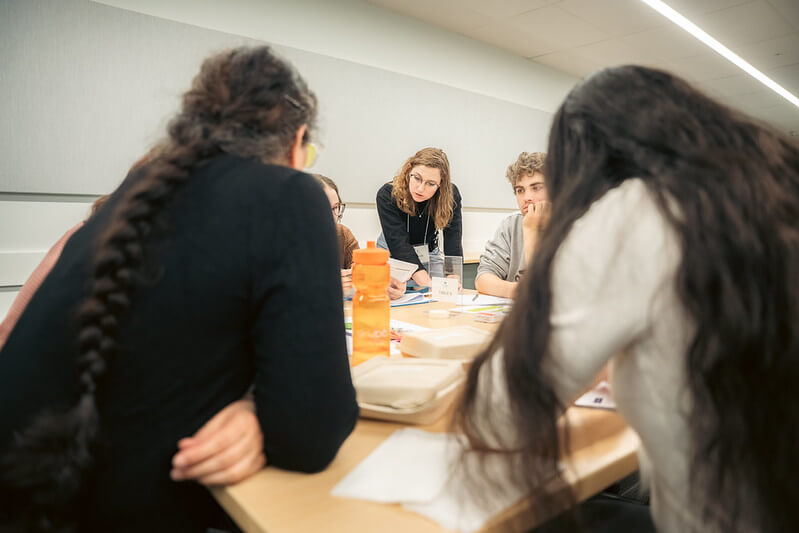
The first phase was problem framing, which included interviews, literature reviews, focus groups, and workshops. We would engage with different experts and public audiences to figure out the exact questions we should be investigating in our public forums. We spent a significant amount of time designing the engagement process itself, continually iterating with partners and advisors. Then, we would conduct the day-long forums. Finally, we focused on integration: delivering results and identifying how what we learned could inform decisions.
One big thing that characterized the process was how iterative it was. There was a lot of room to adapt as we went. It never made sense to make decisions preemptively. The goal was to learn from those who were engaging along the way and allow those insights to shape how the engagement unfolded.
Q: What are some of the challenges you find with engagement work?
Amanda: One of the things that I am most interested in working on, especially in my current role at the Association of Science and Technology Centers, is the integration piece: What do these engagements feed into? How are those insights used in decision making?
I feel like that has not really been fully realized yet in the public engagement space around emerging technologies.
Integration is hard. At a project level, it’s often easier because you can feed insights directly into ongoing work. But when engagement isn’t tied to a specific project, you have to be a little more creative in how decision-makers should consider what you’re learning.
Even at the project level, though, it is still hard. There is still resistance from others asking, ‘Why are we doing this? Why should we be using our resources for this?’
Part of the work is helping people feel comfortable experimenting with engagement and trusting the process, especially since it’s new territory for many scientists and project developers.
I see a lot of room for growth here. We need better ways to ensure public input meaningfully shapes decisions in emerging fields.
Q: We often hear resistance from folks who are new to engagement and are worried about doing it wrong. Could you speak to that a bit more?
Amanda: I think part of it is changing the culture. We need to be willing to try things, learn from them, and get better over time. That also means being honest about failures and what didn’t work.
At the same time, there’s a very real human concern here. If you get engagement wrong, people can be harmed. So the question becomes: how do you engage with the best intentions while reducing the potential for harm as much as possible?
The way I’m thinking about my work is that it’s really about fostering an ecosystem where engagement in science and decision-making can thrive. What are the factors that make engagement easier to do well? How do we create guidance, examples, and support systems that make these approaches more accessible?
Q: How has your experience in the COMPASS cohort influenced your work?
Amanda: COMPASS has been like a sandbox for me. I’m able to interact with so many different perspectives. It really opened space for me to work through really complicated topics and questions that I might not have space to work through otherwise.
For example, I’m just starting a project on engagement fatigue with others in the mCDR cohort. The project is not part of my formal role at the ASTC, but it’s a question I think is really important for understanding, as I continue to work on public engagement in science policy at ASTC.
The cohort allows me to interact with modelers, other social scientists, and physical scientists, drilling down into complicated questions in a low-stakes environment. It’s a place to think creatively and collaboratively about engagement in emerging technologies.
Q: What advice would you give to scientists and practitioners trying to build trust in emerging fields?
Amanda: My honest response is to be human. I feel like it’s so easy for people to come in with their expertise and set expectations for what they want out of a relationship. Then relationships can quickly become transactional.
We’re trained to defend our ideas. That’s how many PhD programs are set up. It’s how our systems are structured. But when it comes to engagement — especially in fields that will affect communities and people’s lives — we need to show up as human beings first and listen to what people have to say. Come in with a respectful ear and open mind.
I think those are the kind of things that really build trust. In communities where mCDR or carbon removal more broadly can be contentious, there’s often already a great deal of skepticism. Trust may have been damaged by past experiences that aren’t directly related to carbon removal but still shape how people view new projects and technologies. Because of that, there is distrust and people often ask, “What are you trying to get us to do?” or “What are you trying to persuade us to support?”
So come ready to understand rather than persuade. That’s how we move forward together.
Q: Looking ahead, what impact do you hope your work will have?
Amanda: My hope is to move the needle toward more integrated, engaged ways of making decisions.
The systems we currently have just aren’t working for people. Anything I can do to help normalize methods, norms, and practices that bring different perspectives into science and decision-making is progress.