Strengthening Communication for Responsible Marine Carbon Dioxide Removal
Looking Ahead
Building the Future of mCDR Science Communication
Over the past four years, we’ve demonstrated what’s possible when mCDR researchers receive sustained communication support. Now we’re expanding that work to build the long-term communication infrastructure the mCDR field will need to grow.
We’re expanding this work in two synergistic ways:
- strengthening communication capacity across the mCDR community by deepening the existing cohort’s community of practice and building a new generation of communication leaders
- creating more opportunities for researchers to engage directly with the audiences who shape policy and public understanding.
Together, these strategies help ensure that mCDR researchers are prepared to engage thoughtfully, responsibly, and effectively as conversations about climate solutions evolve.
Strengthening Communication Capacity
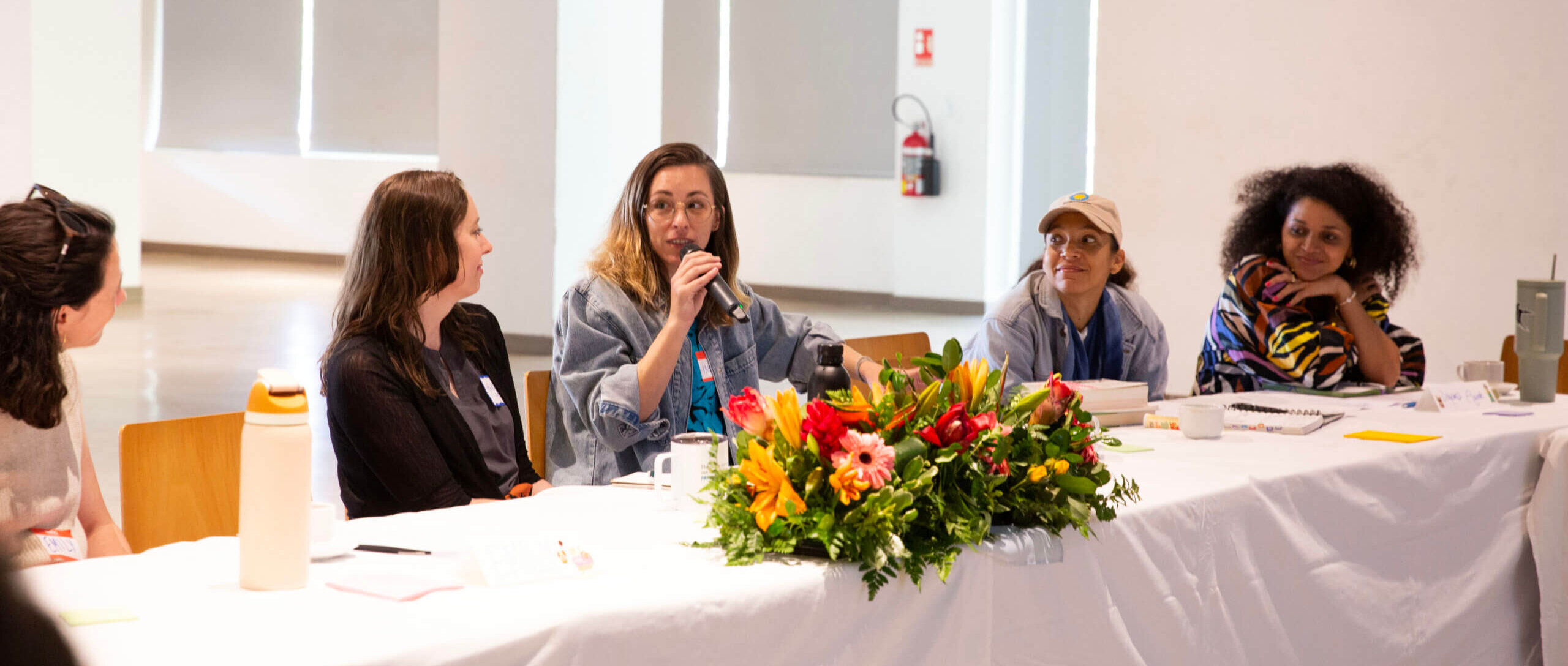
Strong public engagement grows through continued practice, peer learning, and access to trusted resources and ongoing support.
Through this strategy, COMPASS provides researchers with an ongoing community of support where they can strengthen their communication skills, exchange ideas, and build confidence engaging in complex public conversations.
Together, we’re building:
- a community of practice that supports continued learning and collaboration
- a network of trusted mCDR experts prepared to engage with journalists, policymakers, and communities
- opportunities for early-career researchers from across the world to develop as communication leaders
- shared resources that strengthen communication capacity across the broader mCDR community
Connecting Research to Decision-Making
COMPASS creates pathways for dialogue between mCDR researchers and key audiences, helping build relationships that support how mCDR science is understood and used.
- Journalists and Media
Journalists play an essential role in helping the public understand emerging climate solutions. COMPASS supports connections between researchers and journalists to improve the accessibility,accuracy, and nuance of mCDR coverage. - Decision Makers
Better decisions depend on meaningful engagement. COMPASS supports dialogue between researchers, community leaders, and policy makers to help ensure scientific perspectives are represented in governance decisions and the future of mCDR. - Scientific Community
mCDR exists within a broader landscape of ocean, climate, and environmental research. COMPASS supports dialogue and collaboration across disciplines, helping strengthen the credibility, transparency, and connectedness of the field.
Program Outcomes
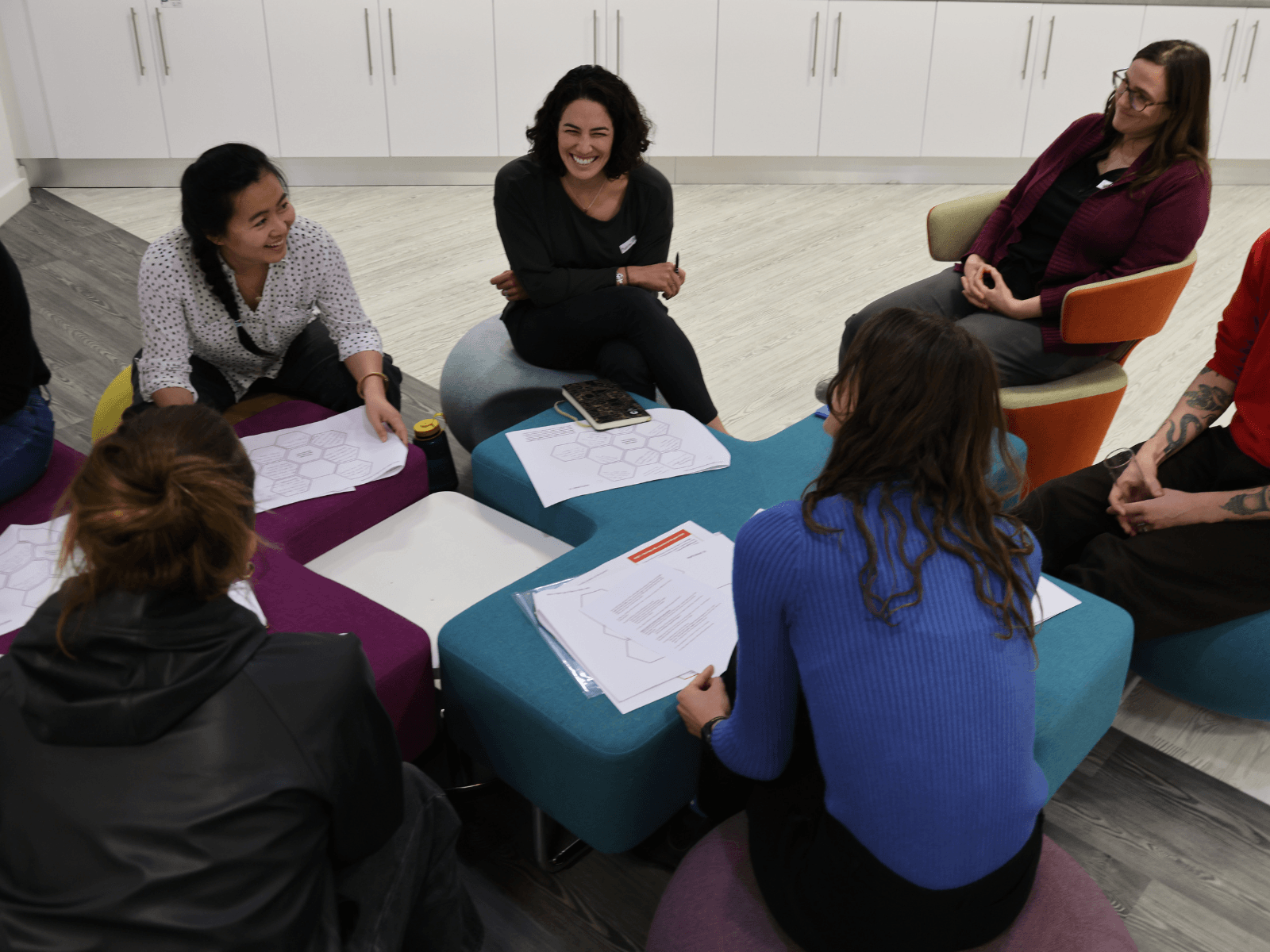
Across these efforts participants have:
- strengthened their ability to communicate complex science with diverse audiences
- developed strategies for engaging with policymakers, journalists, communities, and other stakeholders
- learned from media, policy, and Indigenous and community experts
- built connections with peers navigating similar communication challenges
- identified opportunities for collaboration across the mCDR community