Posts in: Reflections

Reflections
Positive Framing in Risk Communication
One of the primary things we hear from scientists and technical experts is that they want their communication to have an impact. And, of course, impact is driven by action, whether it’s policymakers advancing new clean air regulations, a community securing their trash cans to prevent human-wildlife conflict, or a household creating a fire evacuation plan.
Bu...

Reflections
Pathways for Change: Working Within, With, and Against Systems
In our work supporting change for the wellbeing of people and nature, we often face systems and practices that weren’t built for us or our goals — or in some cases, were actively designed to work against us. Like the walls of a building, these visible or invisible structures shape the paths we walk, the decisions we make, the resources we have access to, and, u...

Reflections
Transdisciplinary Research: Embedding Communication & Collaboration into the Full Research Cycle
Effective communication is reciprocal. It’s not just about getting your message across; it requires a back-and-forth between parties, where shared understanding and mutual commitments develop as both parties work towards a common goal. That kind of two-way communication is essential not just when research is ready to be shared, but from the very beginning o...
Reflections
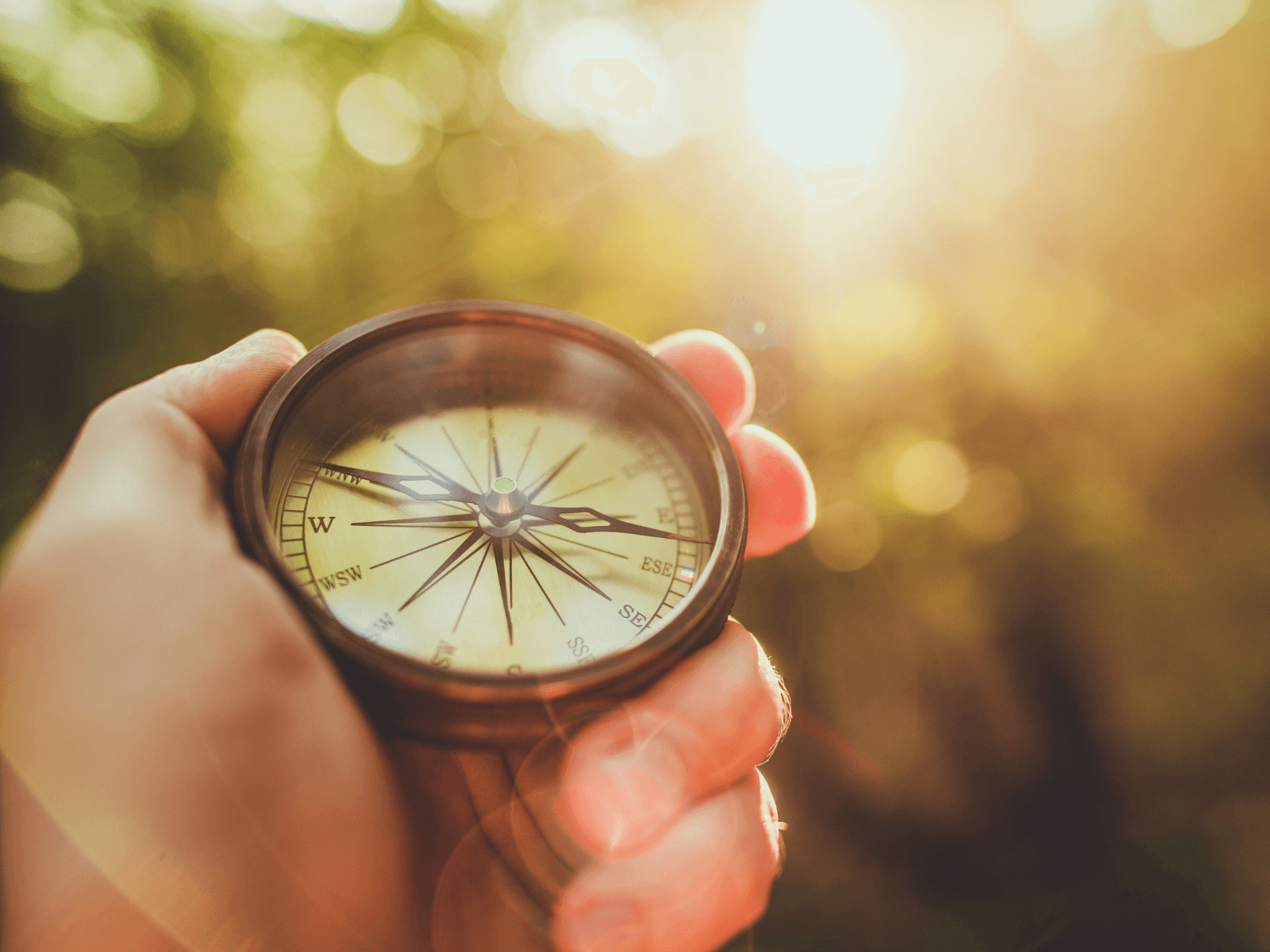
Pointing North: Insights from 25 Years of Supporting Science Communication
This year, COMPASS is celebrating over 25 years of supporting science communication and engagement. Since our founding, we’ve had the privilege of learning alongside tens of thousands of passionate professionals who are working on some of the most pressing environmental and social challenges of our time — from conservation to wildfire management, marine carbon ...
Reflections
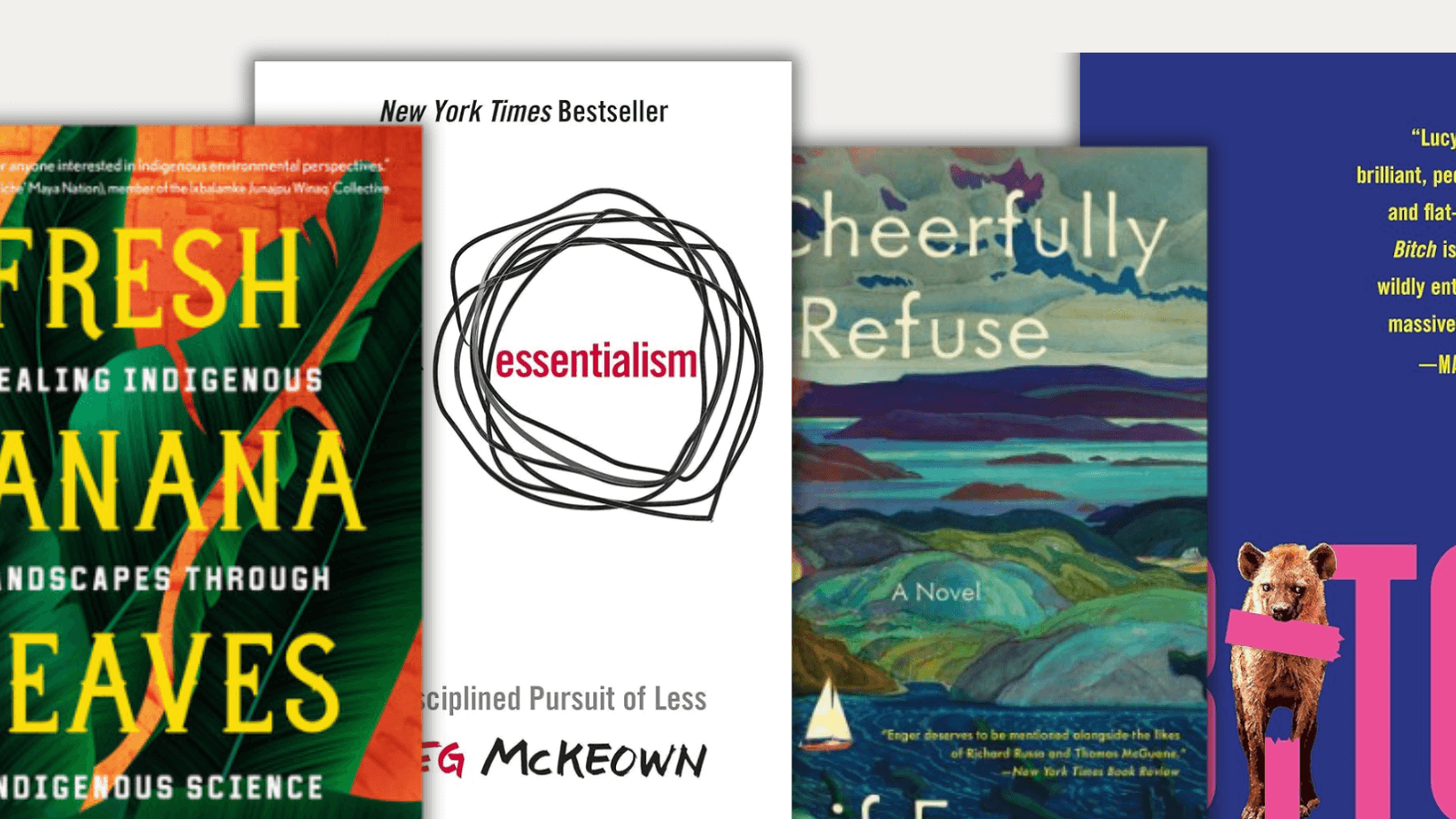
2024 Summer Reading Recommendations
Summer is here! For many on our team the longer days usually involve finding a warm, sunny spot to dive into a great book. And there's few things better to do after reading a great book than to share it with others. So whether you're looking for a book to guide, entertain, or inspire you, we hope you consider checking out some of our team's picks. And don't forget ...
Reflections
Finding Connection Through Art
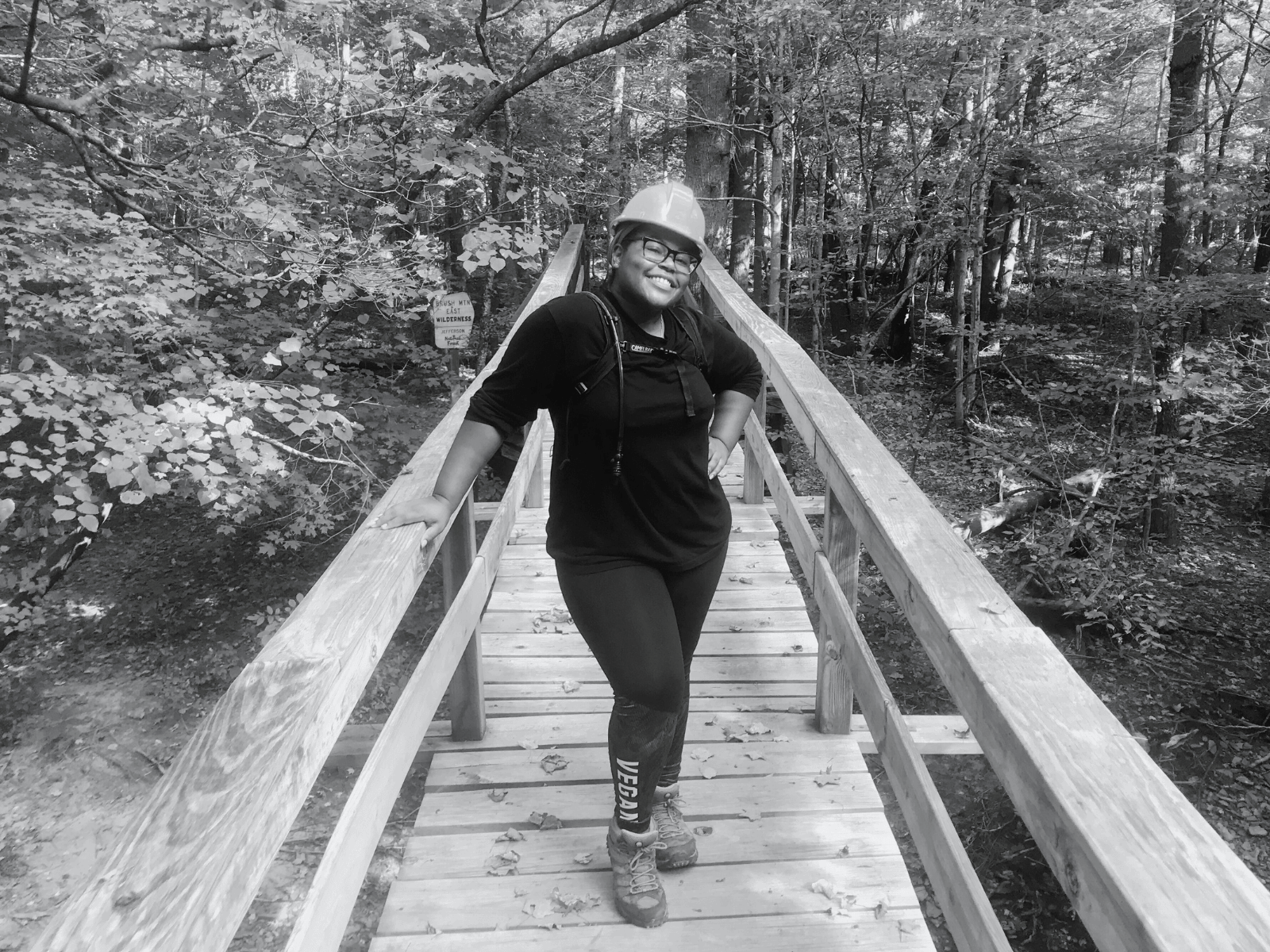
La’ Portia J. Perkins is part of COMPASS’s 2023 Wilburforce Leaders in Conservation Science. They are a multi-medium artist, poet, rapper, and natural resource scientist. They currently serve as a Project Manager at the Renewable Energy Wildlife Institute, helping develop science, tools, and strategies for wind and solar siting and operations that minimize impa...