
Posts by: Meg Nakahara
Tools & Resources
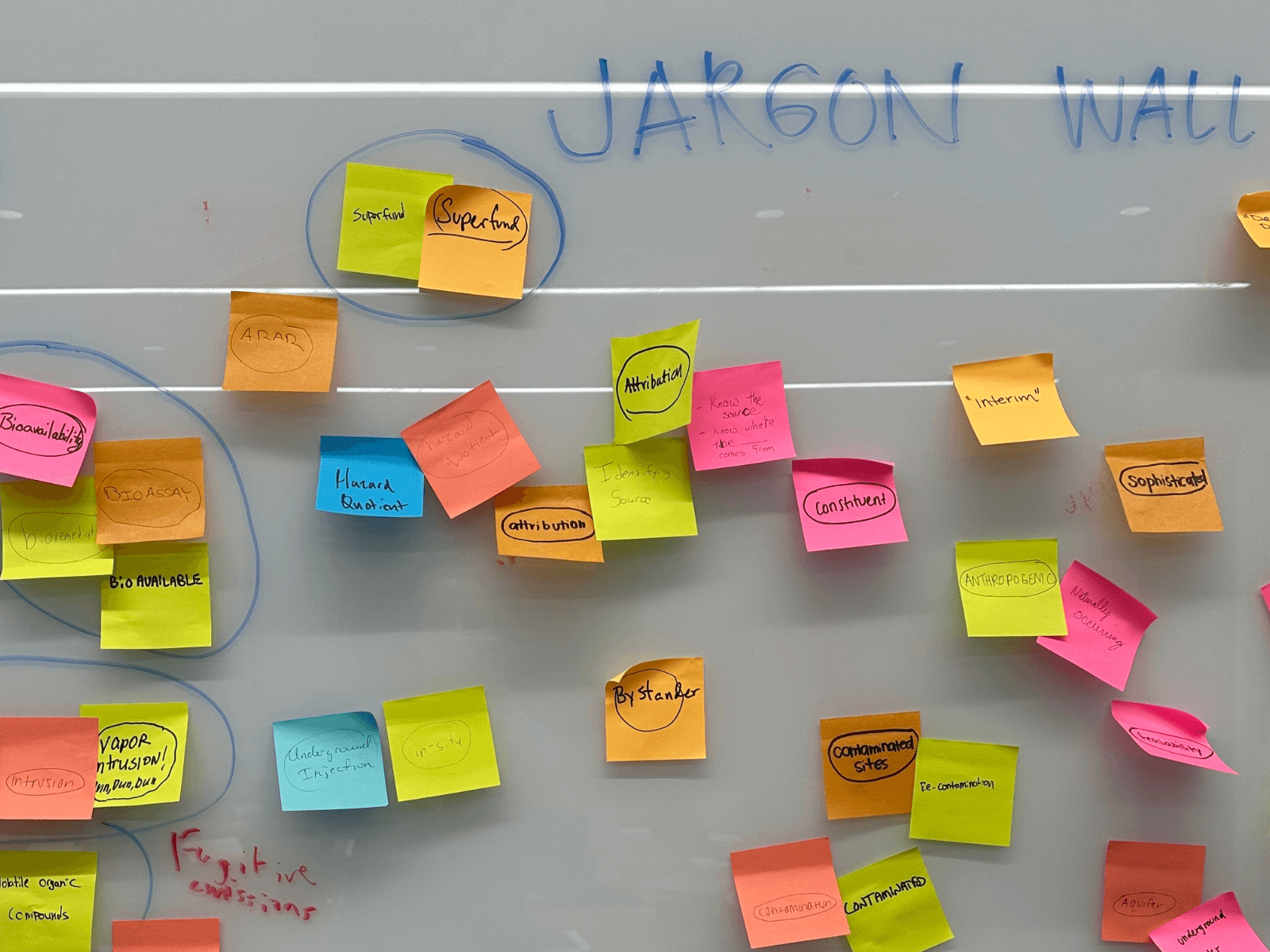
Spotting Jargon: 4 Types of Jargon to Avoid for Clearer Communication
As scientists and subject matter experts, we often rely on specialized language, or jargon, to communicate with precision and efficiency. And that’s a good thing — when we are communicating within our disciplines. But when we're communicating with people outside our field, that same language can become a barrier.
Research shows that when people don’t under...

Tools & Resources
Before the Message: Creating a Strategic Communication Plan (Video)
In this webinar recording, we work through the process of building a strategic communication plan that centers your goals and audience(s), including articulating your reason for communicating, identifying your key audiences and their motivations, and brainstorming where and how to reach them....

Tools & Resources
How to reduce friction in virtual events
Many challenges with virtual engagement come back to one thing—friction. Friction is that draggy, slow feeling when people talk over each other, or no one speaks at all, or everyone feels lost, and our brains take a vacation. Most folks are exhausted by endless Zoom meetings and (very reasonably) check out.
The good news is that friction isn’t a foregone concl...

Bridging Communities
Game Time: Connecting Wildfire Scientists and Journalists in Montana
Practice is core to our work. Our trainings revolve around hands-on exercises and feedback in a supportive setting, and are unique in that the practice and feedback comes from trusted partners from other fields, such as journalism, policy, and community leadership. These experts work closely with scientists in small groups and one-on-one as they practice communicat...

Bridging Communities
Pushing past politicization: An interview with Rear Admiral David Titley
Many scientists fear repercussions from engaging around contentious subjects like climate change—anything from losing connections and opportunities, to jeopardizing their careers and credibility. But there are still productive conversations to be had, even in highly politicized environments. Continuing to engage, even when it’s difficult, is crucial for society...