
You’re developing a strategic science communication plan to share your work. You’ve identified your communication goal and the best audiences to connect with. As you get out your Message Box or use a similar process to craft messages that will resonate with your audience, it’s also time to think about where and how you’ll share it — your platform and your tactics.
The platform and tactics you choose help shape your message. A community meeting calls for a different approach than a conference presentation. A podcast conversation offers different opportunities than a newspaper interview. Thinking about these choices early ensures your message fits the way your audience will experience it.
So… how do you decide where to share your message and how to deliver it?
Platform: Where You Share Your Message
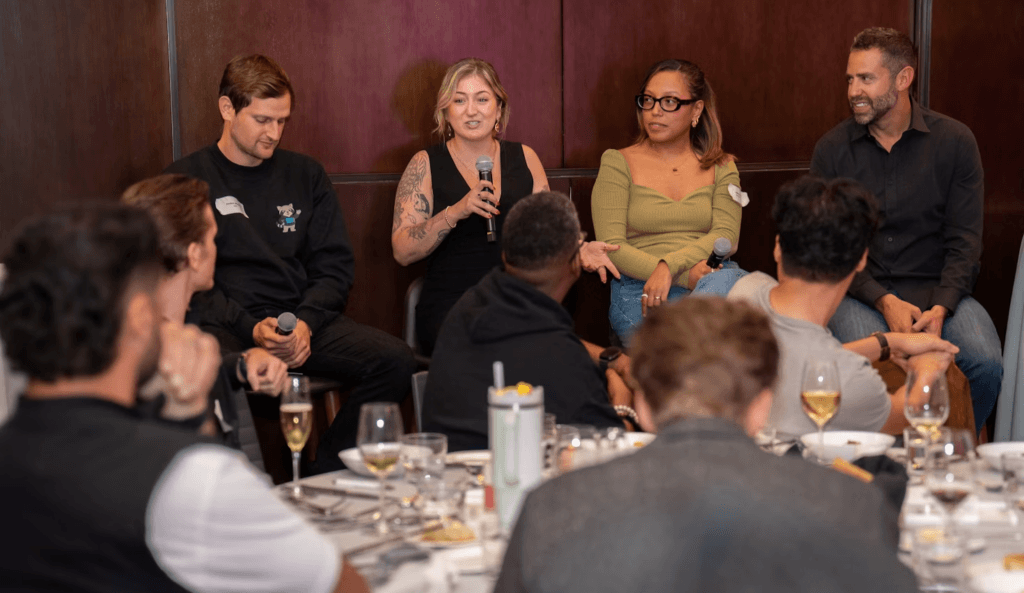
Your platform is the place where you deliver your message to your audience.
Your platform may be selected for you. Perhaps you receive an invitation to speak on a conference panel, or a reporter reaches out to you for a quote in a news story. You can research the platform and ask about the intended audience and expectations.
If you are selecting platforms, think about your audience and where they find information that they trust—social media, podcasts, newspapers, in-person meetings, etc. That will determine the platforms you could share your messaging on.
For example, consider your audience’s demographics. According to the Pew Research Center, If your audience is in their teens or 20s and very engaged online, you could consider social media platforms like Instagram or TikTok. People in their late 50s or 60s are more likely to be active on Facebook. If your audience is primarily located in a city or region, you can look to local news or community centers.
Remember, choosing the right platform starts with your audience rather than your favorite communication channel. For example, when Chair for Coastal Conservation and Restoration at the Harte Research Institute for Gulf of Mexico Studies at Texas A&M University-Corpus Christi, Dr. Jenni Pollack, worked with COMPASS to refine her messaging on oyster reef conservation in Texas, she identified fishers as one of her priority audiences. That decision pointed her toward a regional fishers magazine, a platform her audience already knew and trusted, increasing the likelihood that her message would have the intended reach and impact.
Identifying an effective platform is only part of the decision. As you take stock of the platforms, be mindful of your bandwidth and the partnerships you can lean on. You likely don’t have the time, financial resources, or expertise to utilize every platform possible. You don’t need to be everywhere your audience is; you just need to meet them where you can communicate effectively and consistently. What platforms do you already have access to? Are there opportunities to work with trusted partners who can help you extend your reach? Focus your efforts there.
For example, having multiple social media platforms isn’t worthwhile if you’re unable to maintain the posting schedule that is ideal for each platform. Instead, can you cross-post on the accounts that partner organizations run? Similarly, hosting a community open house could be highly effective, but requires a lot of pre-work and can backfire if not designed thoughtfully. Consider sharing responsibilities with a few partner organizations to make the event more impactful while reducing the workload for everyone involved.
Tactic: How You Share Your Message
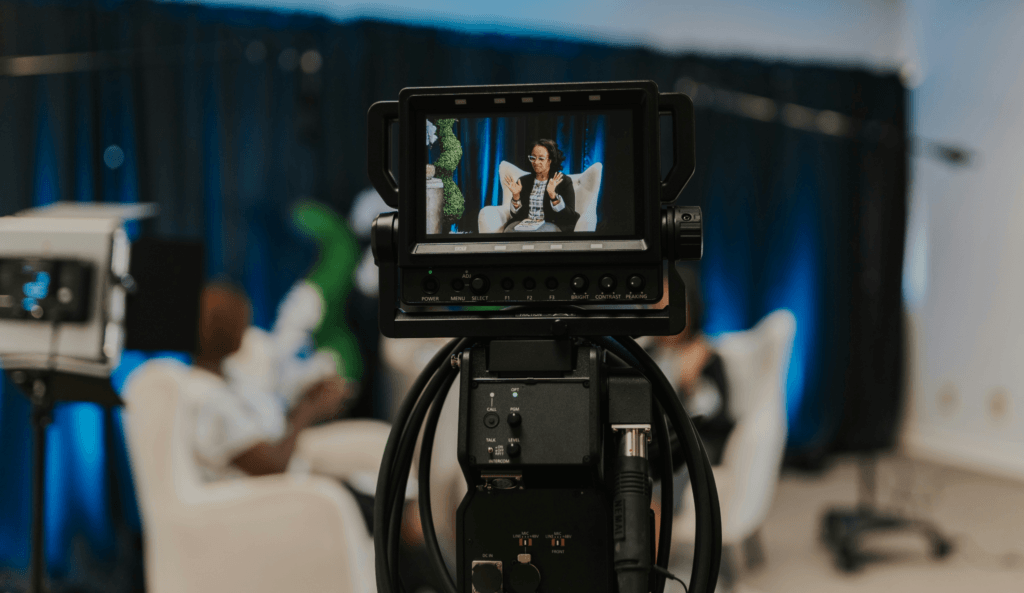
Your tactic is the communication method you use to deliver your message.
The type of tactics available to you may be determined by your audience’s interests, needs, and preferences — or the platform you plan to use. Audiences also connect with different tactics based on their cultural contexts, numeracy and literacy, demographics, and risk perception.
Consider the immediate goal, level of interaction needed, and current barriers to engagement. Choosing an infographic or an interactive map like an ArcGIS StoryMap may depend on whether your goal is to quickly inform or teach through interaction. A short video may be best for sharing information about an immediate risk. However, if you’re actually discussing long-term exposure to risk with nuances and varying risk perceptions, a live stream where you can answer questions from the community is likely a better tactic.
Additionally, do what you can to ensure that your tactics are accessible.
- Are your visual messages easy on the eyes? Is there enough color contrast and are the photos high-resolution?
- Are you holding meetings at times that work for your audience’s schedule? Is there food if the meeting is held during mealtime? Are staff available to watch children so that parents can focus on the meeting?
The most effective tactics reflect how your audience learns, participates, and builds trust. For example, Dr. Kira Hoffman, a fire ecologist at the University of British Columbia and a 2023 Wilburforce Leader in Conservation Science, is expanding land-based learning in creative and community-centered ways. At a recent community gathering, she and her team incorporated a cultural activity in which participants collected ash from a burn and turned it into paint for drums and canvases. Rather than relying on presentations or one-pagers, the activity invited participants to engage with fire through shared experience, reflection, and conversation, aligning the communication approach with her goal to strengthen connections between land, fire, and people.
This non-exhaustive chart can help guide the possible tactics you can use depending on the platform you have selected.
| Platform: where you share your message | Tactic: how you share your message |
| Community meeting | One-pager, infographic, demonstration, story |
| Local newspaper | Op-ed, interview |
| Podcast | Interview, story |
| Social Media | Video, photo, story |
| Website | One-pager, infographic, story, photo, video, FAQs |
Platforms and tactics are some of the most visible, “hands on” parts of communication that we tend to focus on. If you make intentional choices that align with your audience and goals, these pieces of your communication plan will be easier to develop and far more successful.
Interested in learning more? Watch our webinar recording on crafting a communication plan and download the workbook.